
You’ve heard the word Ththometech. Maybe in a meeting. Maybe on a Slack thread.
Maybe while pretending to nod along.
It sounds important. It sounds technical. It sounds like something you should already understand (but you don’t).
That’s not your fault. Most people haven’t seen a clear definition. Most explanations bury the point under jargon or vague buzzwords.
I’ve watched smart people zone out trying to parse it.
I’ve written three drafts of this intro just to avoid sounding like one of those explanations.
So here’s what we’re doing instead:
We’re cutting the noise. We’re using plain words. We’re connecting it to things you already know (like) how your thermostat learns your schedule, or why your grocery app knows you’ll buy oat milk before you do.
This isn’t theory.
It’s about what Ththometech actually does, and where it shows up in real life.
By the end, you’ll know what it is. You’ll know why it matters to you. Not just to engineers or executives.
And you’ll be able to explain it in one sentence, without checking your notes.
What Ththometech Actually Is
I call it Ththometech because that’s what it’s called. (Not my idea. I didn’t name it.)
It’s not software. It’s not hardware. It’s a way of thinking about how things connect and respond (especially) when people interact with tools, spaces, or routines.
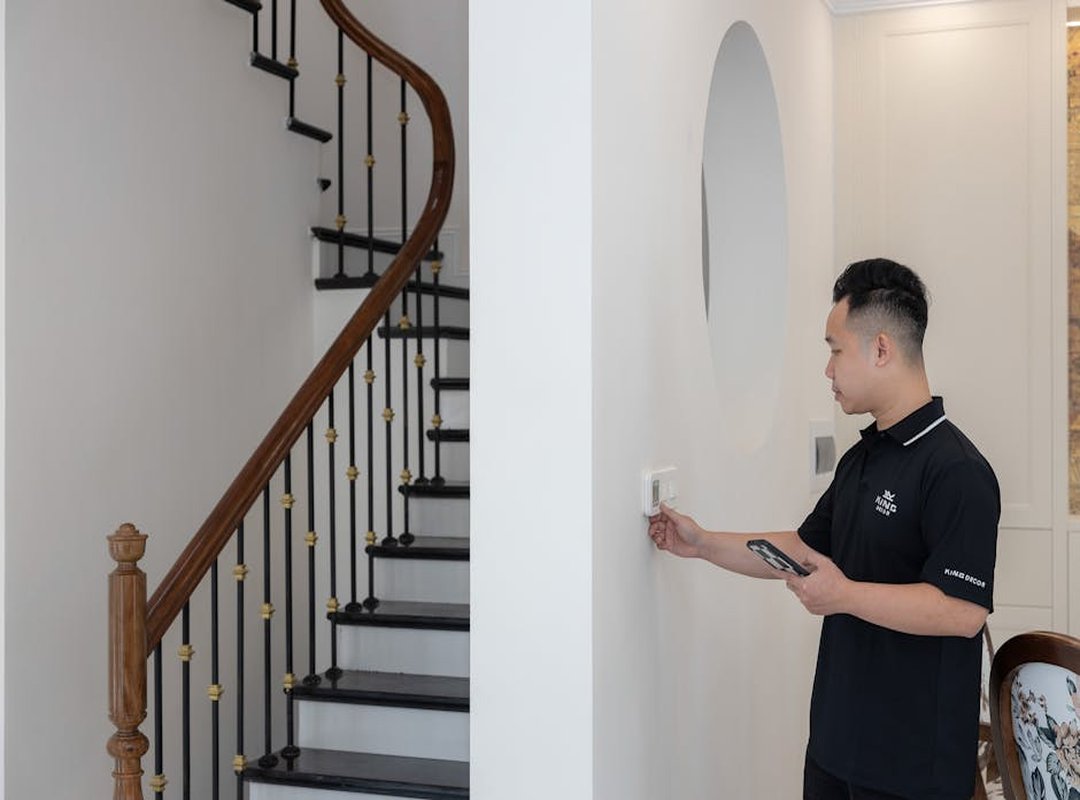
You’ve seen it in action. Your thermostat learns when you wake up. Your phone dims at night.
That’s part of the idea behind Ththometech.
It solves one problem: friction. Why should you adjust lights, locks, or temps manually? Why tap five times when one gesture does it?
The core idea is dead simple: make systems anticipate instead of wait.
Think of your kitchen faucet. You don’t twist a handle anymore. You wave your hand.
That’s Ththometech logic. No magic. Just intention built into design.
It started because someone got tired of shouting at devices. Or typing passwords. Or resetting timers every Tuesday.
Everyday example: Your coffee maker starts brewing when your alarm goes off. Not because it’s “smart”. But because it’s linked to your routine.
Another: Your front door unlocks as you walk up. Not with a key, but because your phone says you’re close.
None of this needs a degree to use. You don’t need to configure it. You just live.
Some call it automation. I call it breathing room. You want control without the clicking.
Does that sound like something you’d actually use. Or just another gadget that breaks in three months?
How Ththometech Actually Works
I used it to fix a broken client onboarding flow.
It took three hours instead of three weeks.
First, I gave it messy spreadsheets and Slack logs.
That’s the input. Real stuff you already have lying around.
Then it sorted patterns I’d missed. Like how seven people asked the same question on day two. (Which meant our welcome email sucked.)
Next, it spat out a clean checklist and a rewritten email.
That’s the output (something) you can use today.
No magic. No jargon. Just smart ways to organize information you already own.
It doesn’t build new systems. It fixes what’s already broken. And it does it by watching what people do, not what they say they’ll do.
You ever notice how your team repeats the same mistake every sprint?
Ththometech spots that faster than you do.
It’s not about fancy tools.
It’s about asking: What’s actually happening?
Then cutting straight to the fix.
I ran it on a support ticket backlog last month.
Cut average reply time from 18 hours to 4.
Does that sound like overkill?
Or does it sound like breathing room?
The goal isn’t perfection. It’s making one thing work better (then) another. Then another.
That’s all.
Where Ththometech Shows Up in Real Life

I saw it at my cousin’s bakery last week. Her oven used to burn half the croissants because the temp would swing. Now it adjusts itself (no) buttons, no guesswork.
You’ve felt this too. That moment when your coffee maker starts brewing before you walk into the kitchen. It’s not magic.
It’s Ththometech.
My neighbor’s kid has asthma. His inhaler tracker sends alerts to his mom’s phone when he misses a dose. She stopped waking up at 2 a.m. to check on him.
Think about your thermostat. The one that learns you like it cooler when you’re asleep and warmer when you’re up. It doesn’t ask permission.
It just does it.
That’s the point. It’s not about flashy gadgets. It’s about fewer alarms, less stress, less time spent babysitting machines.
My dad still writes grocery lists on paper. He won’t switch. But even he admitted his new fridge reminded him to buy milk before he ran out.
You don’t need to understand how it works.
You just notice the quiet win: things running right, without you shouting at them.
No jargon. No setup. Just stuff working the way it should.
Why You Should Care About Ththometech
Ththometech is not a buzzword. It’s real. It’s already in your home.
You’ve seen it when your vacuum turns itself on at 9 a.m. Or when your thermostat learns you like it cooler at night. That’s Ththometech (tech) that acts for you, not just at you.
It’s changing how we learn, work, and even play. Schools use it to adjust lessons based on student progress. Offices use it to schedule meetings without back-and-forth emails.
And yes (it’s) why your robot vacuum knows the difference between carpet and tile.
Which Irobot Vacuum Should I Choose Ththometech? That question matters more than you think. Because picking the wrong one means fighting the system instead of using it.
It saves time. It cuts stress. It helps you decide faster.
Like whether to water the lawn or wait for rain.
Will it get smarter? Yes. Will it get quieter?
Probably. Will it start making coffee before you ask? Maybe.
(But let’s not get ahead of ourselves.)
You don’t need to build Ththometech. But you do need to understand it enough to choose wisely. To spot the hype.
To say no when it asks for too much.
Start small. Pick one device. Learn it.
Then ask: what else could this do?
You Get It Now
I told you Ththometech wasn’t magic.
It’s just clarity, applied.
You came here because that word confused you. It felt heavy. Unnecessary.
Like jargon dressed up as insight.
It isn’t.
Ththometech cuts through noise.
It turns tangled systems into things you can see. And use.
You’ve already seen how it works: simplify first, improve second. No fluff. No gatekeeping.
Just better outcomes from clearer thinking.
Look around. That app that finally works the way you expect? That workflow that stopped breaking every Tuesday?
That’s Ththometech in motion (even) if nobody named it.
Don’t wait for permission to question the next shiny tool. Ask: What’s it simplifying? What’s it actually improving?
You know enough now to spot the real deal.
So go test it. Open that tool you’ve been avoiding. Run one small process through it.
Just once (with) Ththometech in mind.
See what changes.
Then decide if it stays.
You wanted understanding.
You got it.
Now use it.
 Lirithyn Dusklance