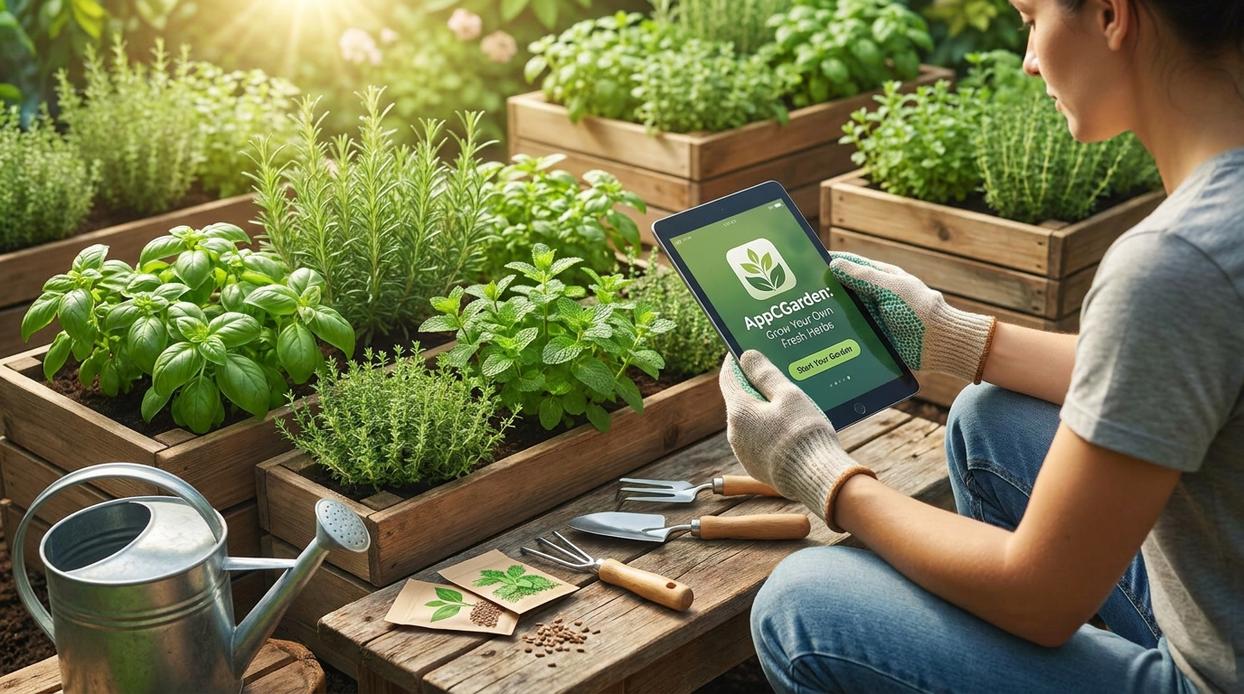
I get asked this question at least once a week: can an app really help you grow herbs?
You want fresh basil for your pasta and mint for your tea. But you’re worried you’ll kill everything before harvest because you don’t know when to water or where to put the pots.
That’s a real concern. Most herb gardens fail in the first month.
Here’s what I’ve learned after helping thousands of people start their first gardens: the right tools matter. But not all tools are worth your time.
Should I start a herb garden appcgarden? That’s what we’re going to figure out.
I’ve spent years working with gardening technology and watching what actually works for beginners. Not theory. Real results from real people who just wanted fresh herbs on their kitchen counter.
This article will show you the honest pros and cons of using an app to grow your herbs. You’ll learn what these tools do well and where they fall short.
No hype about revolutionary technology. Just a straight answer about whether this approach fits your situation.
By the end, you’ll know if an app is the right partner for your herb garden or if you’re better off with a different method.
The Reality of Herb Gardening: Common First-Timer Pitfalls
You buy your first basil plant.
You’re excited. Fresh herbs for cooking. Maybe some Instagram-worthy photos of your new green thumb.
Then three weeks later, it’s dead.
And you have no idea what you did wrong.
The watering thing alone drives people crazy. I see it all the time. You water your herbs because the soil looks dry. Two days later, the leaves are yellow and droopy. Root rot. You killed it with kindness.
So you back off. You wait longer between waterings. Now the leaves are crispy and brown. Wilted beyond saving.
There’s this impossible middle ground you’re supposed to hit, and nobody tells you what it actually looks like.
Then there’s the sunlight puzzle.
Your seed packet says “full sun.” Great. You put it on your windowsill. But is that really six hours of direct light? Is morning sun the same as afternoon sun? (Spoiler: it’s not.)
Basil wants to bake in the sun all day. Mint? It’ll scorch if you give it too much. Parsley sits somewhere in between, and good luck figuring out where.
Should I start a herb garden appcgarden is a question that makes sense when you realize how many variables you’re juggling.
The soil situation doesn’t help. You need good drainage, but not too much. The pH matters for some herbs but not others. And fertilizer? Some people swear by it. Others say you’ll burn your plants.
Who’s right? Depends on your soil, your herbs, your climate.
And just when you think you’ve got it figured out, you spot tiny bugs on your basil leaves. Or white powder on your oregano. Or something eating holes in your cilantro.
You don’t know if it’s aphids or spider mites or fungus. You definitely don’t know how to fix it before the whole plant is toast.
That’s the reality nobody mentions when they’re posting their perfect herb garden photos.
Your Digital Assistant: How an App Directly Solves These Problems
You’ve probably killed a basil plant or two by now.
I have. More than I’d like to admit.
The problem isn’t that you don’t care. It’s that you’re guessing. Should you water today or tomorrow? Is that spot by the window too bright or not bright enough?
Here’s where a good gardening app changes everything.
Smart watering schedules take the guesswork out completely. Apps like appcgarden pull in your plant type, pot size, and your local weather data. Then they tell you exactly when to water. Not vague advice like “water when soil is dry” but actual reminders based on what’s happening right now in your area.
You get your herbs watered right. They grow better. You stop second-guessing yourself every morning.
But watering is just the start.
Sunlight mapping tools show you the best spots in your space. Some apps use AR to track sun patterns throughout the day. You point your phone around your apartment and it tells you which windowsill gets the six hours of light your oregano needs.
No more moving pots around for weeks trying to figure it out. You know from day one.
Then there’s the care guides. Should i start a herb garden appcgarden? If you’re asking that question, you need plant-specific information fast. Good apps give you databases covering soil types, feeding schedules, and when to prune. All tailored to the exact herbs you’re growing.
The real game changer? Instant diagnosis when something goes wrong. You snap a photo of those weird spots on your mint leaves. The app identifies the pest or disease and gives you treatment options right there.
It’s like having a plant doctor in your pocket. Except you don’t need an appointment and it doesn’t cost you anything extra.
Your herbs stay healthy. You actually know what you’re doing. And that feeling of watching something you planted actually thrive? That’s what you get.
The Human Touch: What a Gardening App Can’t Replace
Here’s what nobody talks about when they review gardening apps.
They all focus on features and databases and plant identification accuracy. But they miss the bigger picture.
No app can feel your soil.
I mean that literally. When I check if my basil needs water, I stick my finger an inch deep into the dirt. That’s something backyard guide appcgarden can’t do for you. The app gives you schedules and reminders, sure. But it can’t tell you that your potting mix is bone dry while the surface looks fine.
Same goes for your plants themselves. You need to touch the leaves, check for that slightly sticky residue that means aphids are lurking underneath. Run your hand along the stem to feel for soft spots.
Your phone screen can’t do that.
And then there’s your space. Every windowsill is different. I’ve got one that gets blasted by the AC vent and another that sits above a radiator. The weather app says it’s 72 degrees outside, but those two spots might as well be different climate zones.
Should I start a herb garden appcgarden? Absolutely. It’ll teach you tons.
But here’s the thing. The app works best when you combine it with your own observations. You start noticing patterns. This corner dries out faster. That planter needs water every three days, not four.
You build instincts.
That’s the part I actually enjoy most. Making mistakes, figuring out what went wrong, trying again. It’s messy and sometimes frustrating, but that’s how you actually learn to garden instead of just following instructions.
Not All Apps Are Equal: Key Features to Look For
You’ve probably downloaded a gardening app before.
Maybe you used it once or twice. Then it just sat there taking up space on your phone.
I see this all the time. People get excited about tracking their garden digitally, but the app doesn’t actually help them grow better plants.
Here’s what separates the good ones from the junk.
1. A Plant Database That Actually Includes Herbs
Most apps focus on tomatoes and peppers. That’s fine if you’re growing a vegetable garden. But if you’re wondering should i start a herb garden appcgarden, you need an app that knows the difference between Greek oregano and Italian oregano.
The database matters. A lot.
2. Reminders That Don’t Treat You Like a Robot
Generic alerts telling you to water on Tuesdays? Useless.
What you want are notifications that respond to actual conditions. Your basil in full sun needs different care than your mint in the shade. The app should know that.
3. Photo Identification That Works
You’ll spot something weird on your rosemary leaves. Is it a pest? A disease? Just some dust?
The best apps let you snap a photo and get a real answer. Not every app does this well, though. Some give you five different guesses that contradict each other.
Test this feature before you commit.
4. Access to Other Gardeners
Sometimes you need a second opinion. Or you want to show off your thriving cilantro (because let’s be honest, keeping cilantro alive feels like an achievement).
Community features connect you with people who’ve dealt with your exact problem. That’s worth more than any AI diagnosis.
5. An Interface You Won’t Hate
The most feature-packed app means nothing if you can’t figure out how to use it.
I’ve seen apps that require six taps just to log a watering. That’s not helpful. That’s annoying.
Look for clean design. Simple navigation. The kind of experience that makes you want to open the app, not avoid it.
When you’re comparing options, check out private well appcgarden to see how different features stack up against your specific needs.
The right app becomes part of your routine. The wrong one becomes digital clutter.
A Smarter Start for Your Herb Garden
So, should i start a herb garden appcgarden? For the modern beginner, the answer is yes.
I get it. Starting your first herb garden feels overwhelming. You’re worried about watering schedules, light requirements, and getting the soil right.
An app changes that equation.
It turns all those confusing variables into a guided process. You get data-driven advice when you need it and reminders so nothing falls through the cracks.
Think of it as having an expert mentor in your pocket. One that actually increases your chances of keeping those basil plants alive (and thriving).
Your journey to fresh, homegrown herbs is just a download away. Choose an app with the key features we’ve outlined and start growing with confidence today.
 Radek Sowaak