I killed three tomato plants last summer because I watered them at the wrong time of day.
You’re dealing with the same frustration. You want fresh vegetables and flowers that actually bloom, but gardening advice online is all over the place. One site says plant in March. Another says wait until May. Who’s right?
Here’s what changed for me: I started using a garden guide app that actually understood my backyard. Not some generic planting calendar. A tool built for where I live and what I’m growing.
backyard guide appcgarden apps can fix the guesswork problem. But most of them are just plant encyclopedias with pretty pictures.
I tested dozens of gardening apps to figure out which features actually matter. Not the flashy ones. The ones that keep your plants alive.
This guide breaks down what separates a useful gardening app from digital clutter. I’ll show you which features solve real problems and which ones just take up space on your phone.
You’ll learn what to look for before downloading anything. The tools that help you plant at the right time, spot problems early, and actually grow food you can eat.
No complicated jargon. Just the features that turn your backyard into something you’re proud of.
Why a Mobile App is Your Garden’s New Best Friend
Remember those thick gardening books gathering dust on your shelf?
I used to have a whole stack of them. Every spring I’d flip through pages trying to figure out when to plant tomatoes or why my basil kept dying.
The problem? Those books couldn’t tell me what to do today in my specific backyard.
Think about it. A gardening book written for general audiences can’t account for Louisville’s weird weather patterns. It doesn’t know that we had an unexpected frost last week or that my soil is mostly clay.
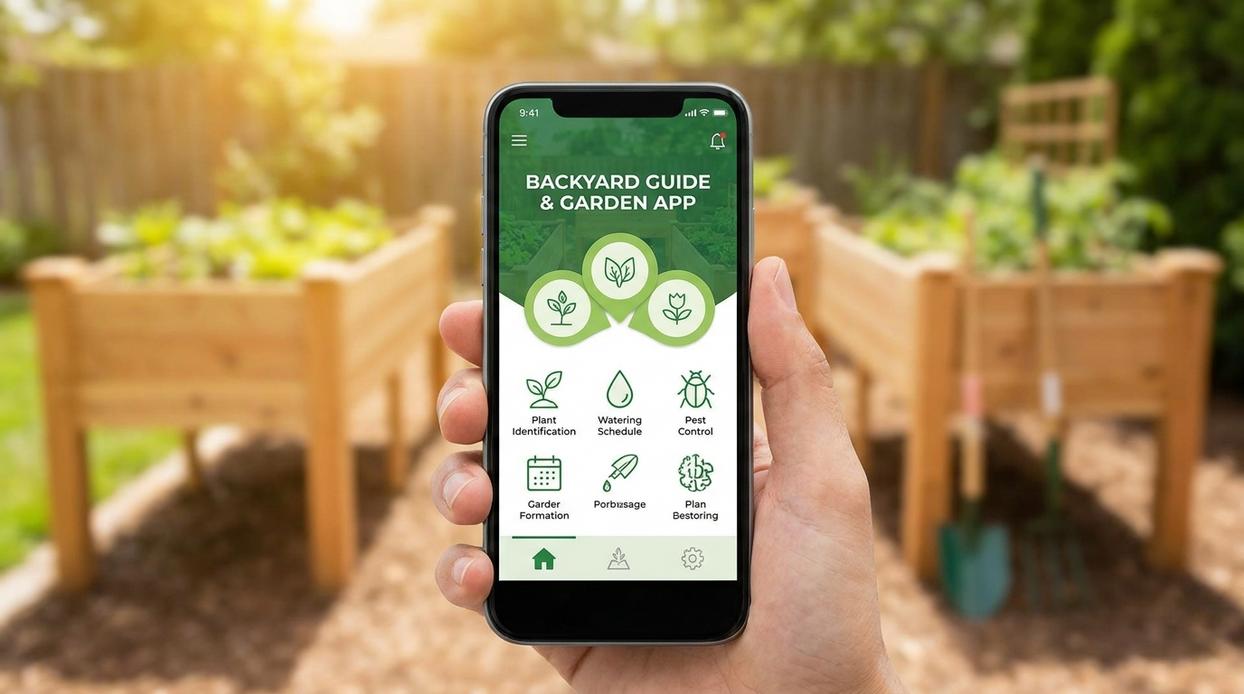
But a mobile app like appcgarden changes everything.
Now some gardeners will tell you that apps are just another distraction. That real gardening happens with your hands in the dirt, not staring at a screen. And sure, you still need to do the actual work.
But here’s what they’re missing.
You get knowledge exactly when you need it. Your phone already lives in your pocket while you’re outside checking on plants. Why not have a backyard guide appcgarden ready to answer questions the moment they pop up?
The real difference comes down to timing. Books make you reactive. You notice a problem, go inside, search through chapters, then hope the advice still applies by the time you get back outside.
Apps flip that script. They send you alerts before problems start. Water your vegetables tomorrow morning. Frost warning in two days. Time to fertilize your roses.
And the personalization matters more than you’d think. The app knows your zone, your weather, and which plants you’re actually growing. No more generic advice that might work somewhere but doesn’t work here.
Essential Feature #1: The Personalized Planting Calendar
You know what kills most beginner gardens?
Bad timing.
I’ve seen people plant tomatoes in March when their last frost date is mid-April. Or start seeds indoors in January when they should wait until February. The plants either freeze or get leggy and weak before they even hit the ground.
The when question trips up everyone at first.
Here’s where a personalized planting calendar changes everything. The best gardening apps pull your location data or ask for your zip code and automatically figure out your USDA Plant Hardiness Zone. No guessing. No outdated charts from the internet.
How Location Data Actually Works
Your phone already knows where you are. Good apps use that to build a planting schedule that matches your exact growing season.
According to the USDA, there are 13 different hardiness zones across the United States. Each one has different first and last frost dates. That’s a massive difference in when you can safely plant.
A study from the National Gardening Association found that 64% of failed vegetable gardens stem from incorrect planting times. Not pests. Not disease. Just poor timing.
That’s why backyard guide appcgarden tools focus on getting this right first.
A solid calendar feature doesn’t just tell you what zone you’re in. It maps out your entire growing season. When to start seeds indoors (usually 6-8 weeks before your last frost). When to transplant those seedlings outside. When to direct sow crops that don’t like being moved.
But here’s the part that actually matters.
The app sends you reminders. Push notifications that say “Time to start your pepper seeds” or “Last chance to plant lettuce for spring harvest.”
You don’t have to remember. The app does it for you.
Essential Feature #2: Plant Identification and Digital Care Guides
You pull a mystery seedling from your garden bed.
Is it a tomato volunteer from last season? Or just another weed trying to take over?
Most of us guess. We wait weeks to see what happens. And half the time we’re wrong.
Camera-based plant identification fixes this. You snap a photo and get an answer in seconds. No more wondering if you should keep that random sprout or yank it out.
But here’s where most apps stop.
They tell you the name and call it a day. Like knowing something is a hydrangea actually helps you keep it alive.
I think we’re going to see a shift here. Apps that just identify plants will fade out while comprehensive care libraries become the standard. (The market always rewards tools that solve the full problem, not half of it.)
A good app needs to go deeper. Way deeper.
You need sunlight requirements spelled out. Full sun means six-plus hours. Part shade means two to four. That difference matters when your plant starts dying and you don’t know why.
Watering frequency should be specific to your climate. A succulent in Arizona needs different care than the same plant in Seattle.
Soil pH preferences matter more than people think. Blueberries want acidic soil around 4.5 to 5.5. Plant them in neutral soil and they’ll struggle no matter what else you do right.
Fertilizer requirements vary wildly. Some plants are heavy feeders. Others burn if you feed them too much.
The best apps will give you this information in a format you can actually use. Not buried in paragraphs of text. Just clear answers for your specific plant in your specific spot.
I’m betting the next generation of garden tips appcgarden features will include AI that factors in your exact location and microclimate. Imagine getting watering reminders that adjust based on last week’s rainfall and this week’s forecast.
That’s where this is heading.
For now, look for apps that offer detailed care guides alongside identification. The name is just the starting point. What you do next is what keeps your backyard guide appcgarden thriving instead of just surviving.
Essential Feature #3: Instant Pest & Disease Diagnosis
You spot something weird on your tomato plant.
Yellow spots. Curled leaves. Maybe a bug you’ve never seen before.
Now what?
Most gardening apps give you generic advice. Search through endless articles. Hope you find something that matches.
But here’s what you actually need. A plant doctor in your pocket.
How Photo Diagnosis Actually Works
I take a picture of the problem. The app scans it and tells me what’s wrong within seconds.
Powdery mildew on my zucchini? The app knows. Aphids clustering on my roses? Identified. That weird caterpillar eating my tomatoes? Tomato hornworm (and yes, they’re as destructive as they look).
Some people say you should just learn to identify pests yourself through books and experience. They argue that relying on technology makes you lazy. And sure, there’s value in building that knowledge over time.
But when your plants are dying right now? You don’t have time for a botany degree.
The best apps go beyond just naming the problem. They tell you what to do about it. Step by step. No guessing.
For example, when I had spider mites last summer, the backyard guide appcgarden showed me three treatment options. Neem oil spray. Insecticidal soap. Or introducing predatory mites.
That’s the key difference. You get choices that match how you garden.
If you’re wondering should I start a herb garden appcgarden style or go bigger, having pest diagnosis ready matters even more. Herbs attract specific pests that need specific solutions.
Look for apps that offer organic treatments alongside conventional ones. Because not everyone wants to spray chemicals on plants they’re going to eat.
Advanced Features That Elevate Your Gardening Game
Most garden apps give you the basics and call it a day.
But if you’ve been gardening for more than a season, you know the basics aren’t enough. You need tools that actually match how you think about your garden.
Let me walk you through what separates a decent app from one that actually changes how you garden.
Garden Journaling and Layout Planning
Here’s where things get interesting. A digital garden map lets you plot your beds and track what you planted where. Next spring, you’ll know exactly where your tomatoes went so you can rotate them out (because planting them in the same spot is asking for disease problems).
I keep notes on everything. Which pepper variety produced like crazy. Which lettuce bolted too fast. The stuff you think you’ll remember but absolutely won’t.
Harvest Log vs. Guessing
Vegetable gardeners need this. Period.
Without tracking yields, you’re just guessing about what works. Was it really a good year for zucchini or does it just feel that way? Did that heirloom variety actually produce more than the hybrid?
A harvest log tells you. Then you can plan next season based on real data instead of fuzzy memories.
Weather Integration
This one’s a game changer. Smart alerts warn you about frost before it hits. Heatwave coming? You’ll know to shade your lettuce. Heavy rain forecast? Maybe hold off on watering.
The backyard guide appcgarden approach means you’re not checking three different weather apps and trying to remember what each plant needs. The app does that thinking for you.
Community and Expert Access
Sometimes you just need to ask someone who’s been there. In-app forums connect you with other gardeners dealing with the same challenges. Aphids destroying your roses? Someone’s figured out what works in your climate.
Plus you get to show off when things go right (and we all need that validation when our dahlias finally bloom).
Cultivate Success with the Right Digital Tool
You now know what separates a useful garden app from one that just takes up space on your phone.
The guesswork that kills plants and wastes your time? It doesn’t have to be part of your gardening experience anymore.
A personalized calendar tells you exactly when to plant. Care guides walk you through the specifics. A pest diagnostician helps you catch problems before they spread.
These features work together to give you confidence in every decision you make.
Here’s what to do next: Head to your app store and find a backyard guide appcgarden that includes these core features. Download it and set up your profile with your location and growing zone.
Then start planning your next season.
Your backyard can become the thriving space you’ve pictured. The right tool makes that transformation possible.
Stop second guessing yourself and start growing with confidence.
 Radek Sowaak