

Video games are everywhere, but do you really know where they came from? Video game consoles history is a wild ride filled with innovation, competition, and a few flops that make you scratch your head. I’ve spent years diving into this world, and I can tell you, it’s not just about the games. It’s about the technology that shaped them and the cultural moments they created.
Think about the first time you picked up a controller. That moment was part of a bigger story.
In this article, I’ll break down the evolution of consoles, from the humble beginnings to the high-tech machines we’ve got today. You’ll discover the key players, the game-changers, and even some lost gems you might have overlooked.
By the end, you’ll have a clear understanding of how we got here and what it all means for the future of gaming. Trust me, this isn’t just another tech piece.
The Genesis of Play: Consoles That Changed the Game
The Magnavox Odyssey was the first taste of home console gaming back in 1972. It was basic, sure, but it blew our minds at the time. Who knew moving blocks on a screen could be that fun?
Then Atari burst onto the scene with Pong, and suddenly video games were everywhere. Pong wasn’t just a game; it was a cultural shift. People lined up to play this simple masterpiece that brought video games into living rooms.
The second generation kept the ball rolling, especially with the Atari 2600. Now we had interchangeable cartridges, and kids were trading games like baseball cards. It was magic.
Don’t forget Intellivision and ColecoVision. They pushed the envelope with graphics and even voice synthesis (which felt like sci-fi back then). But then came 1983.
The market exploded, oversaturated with too many low-quality games.
It crashed hard. Lessons learned the hard way, right? This was just the beginning of the long and wild ride in video game consoles history.
A journey that’s still unfolding today.
Rebirth and Rivalry: Consoles Clash!
to the video game consoles history with Nintendo’s epic comeback. In 1985, the Nintendo Entertainment System (NES) didn’t just enter the market; it saved it. After the industry crash, Nintendo’s strict quality control and savvy marketing (remember the “Nintendo Seal of Quality”?) brought trust back.
The NES wasn’t just a console; it was a revolution. The D-pad, Mario, and first-party games set the stage for what was to come.
But wait, Sega wasn’t having it. With the Master System, they challenged Nintendo’s dominance. Sega’s pitch?
Superior graphics and sound. But that was just the beginning. The 16-bit era changed everything.
Enter the Super Nintendo Entertainment System (SNES) and the Sega Genesis. These weren’t just consoles. They were the epitome of rivalry.
Games like Street Fighter II and Final Fantasy introduced new genres and pushed technological boundaries. Looking back now, it’s like watching a heavyweight bout. Who didn’t love the debates between friends about Sega’s speed versus Nintendo’s library?
If you’re into this retro scene, start exploring retro computing. It’s a treasure trove for those who want to relive or discover this golden era of gaming.
The 3D Revolution: Gaming’s Bold Leap Forward
The shift to 3D graphics in the mid-90s was nothing short of a revolution. It changed everything we knew about gaming. Suddenly, games felt immersive, like stepping into another world.
This wasn’t just a visual upgrade; it was a whole new way to play.
Sony’s PlayStation was the game changer here. It used the CD-ROM format to give us richer games and more storage. Its aggressive marketing blitz and developer-friendly approach left Nintendo and Sega scrambling.
Who could have predicted that?
Nintendo 64 fought back with innovations like the analog stick and rumble pak. Yet, it stubbornly clung to cartridges. Was it nostalgia or a strategic misstep?
Meanwhile, Sega Saturn struggled. It had its moments but couldn’t keep up, leading to the Dreamcast’s brief but bright run.
Then came the sixth generation. PlayStation 2 took the crown as the best-seller with its DVD playback and massive game library. Microsoft jumped in with the Xbox, offering solid hardware and Xbox Live.
That online service was a game-changer (pun intended).
Nintendo’s GameCube had its quirks, focusing on first-party titles and a unique design. Amidst these shifts, innovations assistive technology also began to emerge, reshaping how we interact with consoles.
This era was a wild ride in video game consoles history, forever altering how we play and enjoy games.
HD Graphics & Online Worlds: Console Evolution
The leap to high-definition (HD) graphics with the Xbox 360 and PlayStation 3 was monumental. Suddenly, games looked stunning. The visual fidelity brought worlds to life in ways we hadn’t seen before.
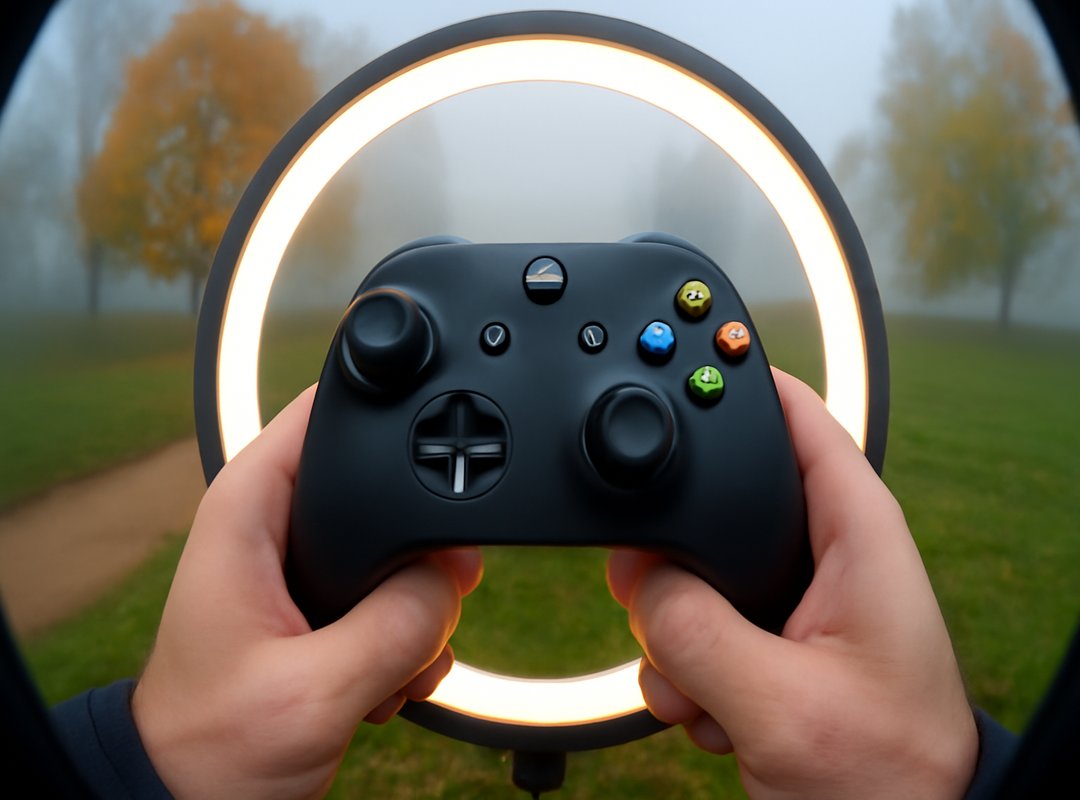
It wasn’t just about graphics, though. It was about immersion. You felt like you were inside the game, not just playing it.
Then there was online gaming. Remember when Xbox Live and PlayStation Network transformed multiplayer experiences? It was a game-changer.
Suddenly, you could compete with anyone, anywhere. It wasn’t just about beating your friends in the same room. It was about global competition.
This was the future we dreamed of.
Nintendo shook things up with the Wii. Motion controls were game-changing. People who never picked up a controller before were gaming.
It expanded what it meant to be a “gamer.” Everyone was included. The Wii’s success was undeniable.
The PlayStation 3 pushed new media formats with Blu-ray, changing how we consumed media. Let’s not forget the early digital distribution. It set the stage for how we download games today.
As we moved to the eighth generation, the PlayStation 4 and Xbox One enhanced online capabilities and social features. They were more than just consoles. They were multimedia hubs.
And the Nintendo Switch? Its hybrid design allowed smooth transitions between home and portable play. It carved out a unique market position.
Want to see how these consoles fit into the broader timeline? Check out this table for more on video game consoles history.
This era was big. It reshaped gaming forever.
The Next Frontier: Ninth Gen & Beyond
The PlayStation 5 and Xbox Series X/S are redefining gaming. Ultra-fast SSDs cut load times like nobody’s business. Ray tracing?
It’s a game-changer for realism. And those 4K/8K graphics? Jaw-dropping.
Subscription services like Xbox Game Pass and PlayStation Plus are transforming accessibility. Why buy a game when you can play dozens for a fraction of the price? It’s a no-brainer.
Game accessibility has never been this good.
Cloud gaming is on the rise. Imagine playing high-fidelity games without needing a powerhouse console. It’s happening.
Virtual reality and augmented reality are creeping into consoles. The future of gaming isn’t just about better graphics. It’s about immersion.
Cloud platforms are leveling the playing field for everyone. This could democratize gaming in ways we’ve only dreamed of.
Picture stepping into your favorite game world. It’s closer than you think.
Looking ahead, AI integration promises more personalized gaming. Think smarter NPCs or changing content. Consoles might soon merge more with other entertainment mediums (music, movies).
Video game consoles history is rich, and it’s only getting richer. The new spirit driving this industry? Unstoppable.
The future looks bright and, frankly, pretty exciting.
Keep Your Gaming Knowledge Sharp
This article has taken you through the video game consoles history. I know it can feel overwhelming to make sense of all this tech evolution. But understanding the past helps you grasp today’s trends.
Gaming consoles have shaped technology and culture, influencing how we connect and play. If you’re serious about staying informed, dig deeper into the latest takeaways and analyses. Don’t let the fast-paced changes leave you behind.
Explore more on Appcgarden.com. Your next step? Click over and keep your knowledge up to date.
It’s time to take control of your gaming future.
 Radek Sowaak