
I’ve seen too many gardeners lose money on supplies they already own.
You’re probably here because your garage is full of half-empty bottles and bags you forgot about. Then you’re at the store buying duplicates while perfectly good products sit at home.
Here’s what happens: you waste money, make extra trips, and your garden doesn’t get what it needs when it needs it.
I spent years watching gardeners struggle with this exact problem. The solution isn’t buying more storage bins or making better lists.
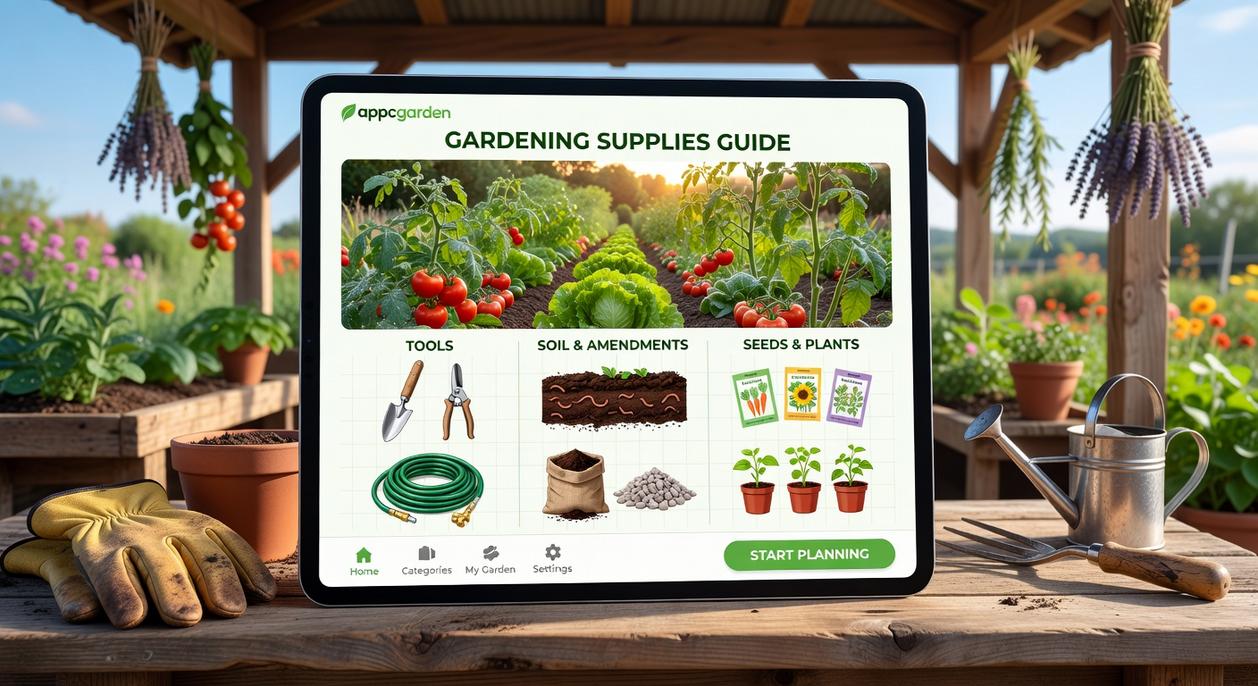
This gardening supplies guide appcgarden shows you how to take control using a simple digital system. I’ll walk you through exactly how to track what you have, know when you’re running low, and stop the cycle of forgotten purchases.
We work with home gardeners every day at Appcgarden. We know the frustrations that keep your garden from reaching its potential. That’s why this guide focuses on real solutions, not theory.
You’ll learn how to set up a system that actually works for the way you garden. No complicated processes. Just a straightforward approach to managing your supplies.
Your garden deserves better than last-minute store runs and expired products.
Why Your Garden Needs a Digital Upgrade: The Flaws of Analog Methods
You know that moment when you’re at the garden center, staring at a shelf of fertilizer, trying to remember if you already have a bag at home?
Yeah, I’ve been there too many times.
Most of us track our gardening supplies the old way. We scribble notes on random pieces of paper. We keep mental lists that we swear we’ll remember. Maybe we even have a spreadsheet somewhere on our computer that we haven’t opened in three months.
It doesn’t work.
What Actually Happens With Analog Tracking
Here’s what I see happen over and over. You buy the same bag of potting soil twice because you forgot you had one in the garage. You find a bottle of plant treatment that expired last season. You run out of pest spray right when aphids attack your tomatoes.
The real cost isn’t just the wasted money (though that adds up fast). It’s watching your plants struggle because you didn’t have what they needed when they needed it.
Some gardeners say they prefer the traditional approach. They like the tactile feel of handwritten notes. And I respect that. But when your basil is dying and you can’t remember if you used your last dose of nutrients, that notebook in your kitchen drawer doesn’t help much.
What you need is a gardening supplies guide appcgarden approach. A digital garden shed that lives on your phone. One place where everything lives. Your inventory. Your purchase dates. What’s running low.
You can check it from anywhere. The garden center. Your backyard. Even your couch at midnight when you’re planning tomorrow’s tasks.
The payoff is simple. You stop buying duplicates. You use products before they go bad. Your plants get exactly what they need, right on schedule.
Step 1: Catalog Your Arsenal – Mastering Digital Supply Inventory
I’ll be honest with you.
The first time I tried to organize my garden supplies digitally, I completely screwed it up.
I opened the app and just started typing everything I saw. Half a bag of fertilizer. Some mystery seeds from last year. A bottle of something that might be pest control (the label had worn off).
Within ten minutes, I had a chaotic mess that was somehow worse than my actual shed.
Here’s what I learned the hard way.
You need a system before you start cataloging.
The gardening supplies guide appcgarden approach works because it forces you to think about categories first. Not after you’ve already dumped 50 random items into your inventory.
Start by grouping your supplies into logical buckets. I use Fertilizers, Pest & Disease, Soil & Amendments, and Tools. You might need different ones depending on what you grow.
Then comes the actual inventory work.
Most good apps let you scan barcodes to pull in product details automatically. This saves you from typing out “Miracle-Gro Water Soluble All Purpose Plant Food 24-8-16” by hand.
For custom mixes or unlabeled stuff? Manual entry works fine. Just be specific enough that you’ll remember what it is in three months.
The quantity tracking is where most people give up.
Don’t try to be too precise. You don’t need to measure that you have exactly 2.3 pounds of bone meal left. Just note “half full” or “3 bags remaining.”
Take photos of anything you might forget about. That weird organic spray you bought at the farmer’s market? Snap a picture of the label before it fades.
The goal isn’t perfection. It’s having a real-time view of what’s actually in your arsenal when you need to make a decision.
Step 2: Build a Smart Shopping List That Works for You
You know that crumpled piece of paper in your pocket?
The one that says “tomato stuff” and “maybe fertilizer”?
Yeah, that’s not going to cut it.
I talked to Sarah, a gardener in Portland, who told me something that stuck with me. “I’d walk into the garden center with a list and still come out with $80 worth of things I didn’t need. Every single time.”
She’s not alone.
Why Static Lists Don’t Work
Here’s what most people don’t realize. A shopping list for your garden shouldn’t be the same every week. It needs to change based on what you’re actually doing.
That’s where a supplies app makes a real difference.
Instead of writing “potting soil” on repeat, you link supplies directly to your projects. So when you create a project called “Tomato Bed Setup” in your backyard tips appcgarden workflow, the app knows you need one bag of compost and one box of fertilizer.
Not three bags. Not “some fertilizer.” The exact amounts.
Setting Up Low Stock Alerts
This part changed everything for me.
You set a threshold for each item. When your compost drops below half a bag, the app adds it to your shopping list automatically. You don’t have to remember. You don’t have to check.
It just shows up when you need it.
I asked Tom, who runs a community garden in Louisville, what he thought about this feature. He said, “I used to run out of things mid-project. Now? That doesn’t happen.”
Making Store Trips Actually Efficient
Walk into any garden center on a Saturday and you’ll see people wandering around, trying to remember what they came for.
A gardening supplies guide appcgarden approach organizes your list by category. All your soil amendments together. All your tools in one section.
You get in. You get what you need. You get out.
No impulse buys of that cute watering can you definitely don’t need (even though it is pretty cute).
Step 3: Automate Your Calendar – Timely Application Reminders
You know what kills most gardens?
It’s not pests. It’s not disease.
It’s forgetting.
You meant to fertilize those roses six weeks ago. You planned to spray for aphids before they got out of hand. But life happened and now you’re staring at yellowing leaves wondering where you went wrong.
Here’s where I think gardening apps are heading. And honestly, they’re already starting to get there.
The End of Guesswork
A good calendar system doesn’t just remind you to do something. It tells you exactly when based on what you actually planted.
I set mine up like this. Rose fertilizer every six weeks from April through September. Neem oil application 24 hours after any heavy rain (because that’s when fungal issues start). Grub control in late spring before the soil hits 65 degrees.
Some people say you don’t need an app for this. Just write it down or remember it.
But that’s exactly how you end up with half-dead plants and wasted money on treatments that don’t work anymore.
Plant-Specific Timing
The best apps let you tie reminders to individual plants. Your azaleas get their acidic fertilizer. Your tomatoes get something completely different. No more guessing if you fed the hydrangeas or if that was last month.
I’m predicting we’ll see apps that auto-adjust schedules based on local weather patterns within the next year or two. Rain delays your spray schedule? The app moves everything back automatically.
Check out the pest control guide appcgarden for specific timing on common treatments.
The Log That Saves You
Mark each task complete when you finish it.
This creates a record. You’ll know exactly what you applied and when. No more wondering if you already treated for grubs or if you’re about to double-dose your lawn.
I’ve saved myself from over-fertilizing more times than I can count just by checking my log before grabbing the spreader.
Plus, when something goes wrong? You have data to figure out why instead of just guessing what happened three weeks ago.
Pro-Level Features: What Separates a Good App from a Great One
Most gardening apps do the bare minimum.
They let you set reminders. Maybe track a watering schedule. That’s it.
But the apps worth your time? They go further.
Budget and expense tracking is where things get real. I can’t tell you how many times I’ve walked into a garden center for one bag of soil and walked out $87 poorer. An app that tracks what you spend on supplies keeps you honest. You start to see patterns (like how much you actually drop on tomato cages every spring).
Here’s what I really care about though.
An integrated plant database that talks to your supply list. You add a fiddle leaf fig to your digital garden and the app suggests the right potting mix and fertilizer. No guessing. No googling “what does a fiddle leaf fig even need” at 10 PM.
The wishlist feature is underrated. I use mine constantly. See a interesting pruner at the store but don’t need it yet? Save it with notes and the price. When you’re ready to buy, you already know what you wanted and what it costs.
And look, data sync across devices sounds boring until you’re standing in the garden shed with your phone dead and your tablet has your entire supply inventory.
That’s the difference. Good apps help you remember to water. Great apps (like the gardening supplies guide appcgarden) actually make you better at this whole thing.
Take Control of Your Garden Supplies Today
You now have a clear roadmap for managing your gardening supplies with a digital application.
No more digging through disorganized sheds. No more wasted money on duplicate purchases or forgotten treatments.
The solution is straightforward. Digitize your inventory. Plan your shopping trips. Automate your reminders.
This creates a more efficient and enjoyable gardening experience.
I’ve shown you what works. The features that matter. The systems that save you time and money.
Your next step is simple: Find a gardening supplies guide appcgarden that includes these features and start building your digital garden shed.
Stop guessing what you have and what you need. Start knowing.
The tools exist. You just need to use them.
 Radek Sowaak