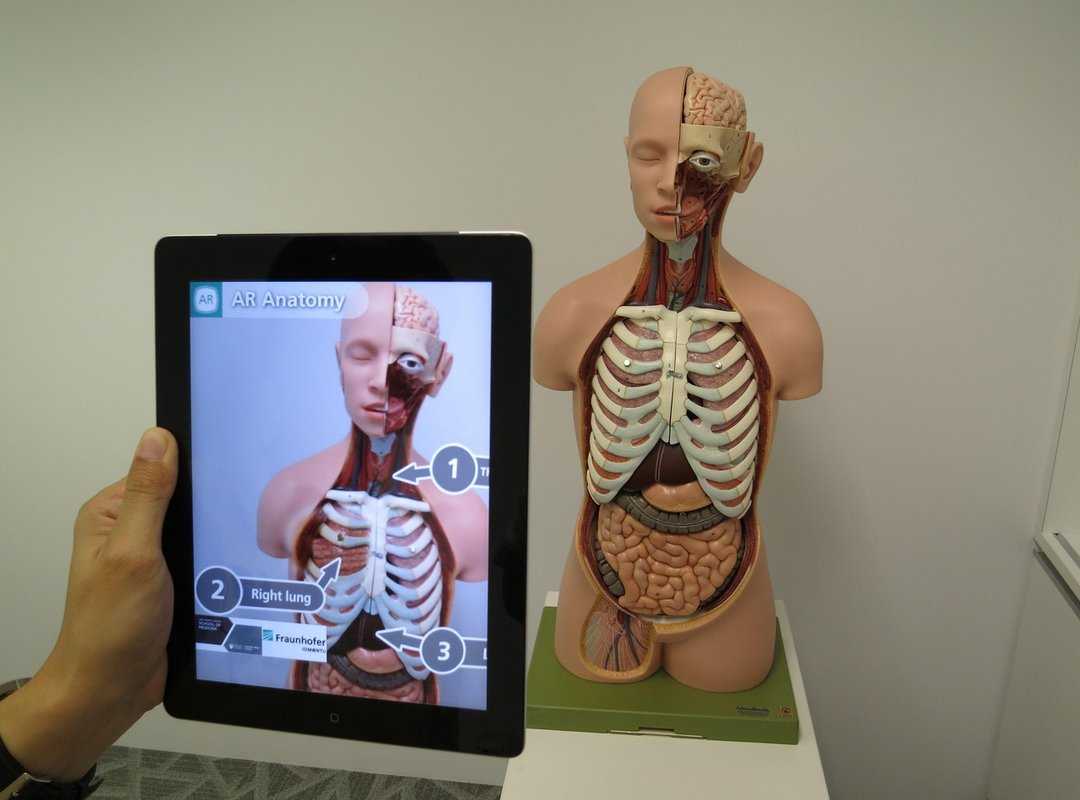
Educational apps have become important in today’s fast-paced learning environment. The challenge? Keeping up with skill development when everything moves so quickly.
I get it. It’s overwhelming.
You might be wondering how education apps can really make a difference. That’s where this article comes in.
I’ll dive into the latest tech trends and takeaways on education apps learning. You can trust that I’ve researched this space thoroughly.
I’ll break down how these apps are changing the game, providing practical solutions to help you develop skills effectively.
We live in a world where technology shapes our learning experiences. So, it’s key to understand how to use these tools to your advantage.
In the following sections, I’ll share what you need to know about the new features and functionalities of educational applications for skill development.
Get ready to explore how these apps can help you or someone you know thrive in an ever-evolving digital space.
Education Apps: Powering Modern Learning
Ever tried to study without an app these days? It’s like going back to the Stone Age. Educational applications are reshaping how we learn, blending tech with knowledge.
They come in various forms, from language apps like Duolingo to math helpers like Photomath. Each one has a unique twist (or gimmick) to keep you engaged.
But here’s the kicker: these apps aren’t just for passive learning. They’re interactive, adapting to your style, whether you’re a visual learner or someone who prefers reading. Some even gamify the experience.
Mistakes? I’ve made a few. Not all apps are created equal.
Remember when learning was boring? Not anymore. These apps are like having a personal tutor in your pocket.
I once spent weeks on an app that promised to make me a coding wizard. Spoiler: it didn’t. The lesson?
Choose wisely. Look for apps that actually deliver on their promises.
Education apps learning isn’t just a trend; it’s a revolution. The right app can change how you view a subject entirely. So, why not dive into this digital classroom? You might just find a new favorite way to learn.
Unlocking Skills with Education Apps
I’ve seen how educational apps are reshaping skill development. They’re not just about feeding information (they’re) about empowering users with the skills they actually need. You ever notice how much more flexible app-based learning is compared to traditional methods?
You can learn at your pace, in your space. No rigid schedules. Just you and your device.
And who doesn’t have a device these days?
Personalized learning paths are another game-changer. Apps adapt to your level and interests, guiding you through content that’s relevant. Imagine learning Spanish, but with content tailored to your interests in cooking or travel.
That’s personalization done right. These apps don’t just throw random lessons at you. They curate experiences.
It’s like having a tutor who knows you better with each session.
Real-world examples? There are many. Duolingo changed how we learn languages by making it fun and addictive.
Codecademy taught me coding without the need for a classroom. They offer that instant feedback loop you don’t get in a lecture hall. It’s not just theory.
It’s practical, hands-on learning that sticks.
And accessibility? It’s huge. Some folks in rural areas don’t have schools nearby, but they do have internet access.
These apps bridge that gap. They’re not just changing lives; they’re ecommerce apps redefining shopping, transforming how we learn. If you ask me, education apps learning is the future.
They’re leveling the playing field, and that’s something to be excited about.
Picking the Perfect Educational App: No Nonsense Guide
Choosing the right educational app isn’t rocket science, but it does take some thought. First off, the user interface needs to be intuitive. If you can’t get through it, what’s the point?
I mean, who wants to spend half their time figuring out where the “next” button is? You also need to dive into content quality. Is the material engaging, or does it make you want to nap?
If the app’s content isn’t top-notch, you’ll waste time.
Check out the reviews. Are people raving or ranting? Don’t just look at the stars.
Read what folks are actually saying. It’s like reading Yelp reviews before picking a pizza place. Personal learning goals matter too.
Does the app match what you want to achieve? If you’re learning Spanish, does it even have advanced grammar?
Pro tip: Test the free version before committing. It’s like trying on shoes. Gotta make sure they fit.
And don’t ignore credibility. You wouldn’t trust a math app from a company with zero education background, right? Education apps learning needs to come from reliable sources.
Oh, and if you’re curious about the rise of mental health apps, it’s a fascinating topic. It’s a whole other ball game in the app world.
Skill-Specific: Apps That Teach
When I first dived into the world of educational apps, I was blown away by how tailored they could be. For instance, learning to code? Scratch is a game-changer. It’s like coding’s training wheels but for any age.
And while some folks swear by Duolingo for language mastery, I’d argue that Babbel cuts to the chase faster. The feedback is instant, and your pronunciation gets corrected in real-time (no more embarrassing moments trying to pronounce “croissant” in front of your French friends).
Graphic design enthusiasts, ever heard of Canva? It’s not just an app; it’s a full-on design studio in your pocket. Sure, Photoshop is the industry king, but who has time for that learning curve when Canva makes design intuitive?
Plus, it’s got templates for everything: flyers, resumes, you name it.
Now, here’s the kicker (what) about cost? Many of these apps have free versions, but let’s be honest: premium is where they shine. Take a look at education apps learning.
You’ll see how free can only take you so far. If you’re serious about learning, consider investing.
Ratings? Users rave about these apps. Babbel’s straightforward lessons get high marks, and Canva’s drag-and-drop features have hooked even non-designers.
Scratch’s playful interface is another win.
Pro tip: try the free versions first. If you’re hooked, you know it’s worth the subscription. These tools aren’t just apps; they’re your best teachers.
Conquering the App Chaos: Learning with Focus
Let’s be real: education apps can be both a blessing and a curse. They offer unmatched convenience, but distractions are everywhere. You’re not alone if you find your focus slipping after a few minutes (the lure of notifications is real).
Here’s a thought: start with turning off those pesky alerts.
Pro tip: set specific times for app learning like you would for a class. Trust me, this makes a difference. Now, about motivation (it’s) tricky.
The key is blending apps with traditional methods. Combine a textbook with an app lesson, and suddenly things click! This hybrid approach isn’t just smart; it gives you a more rounded understanding.
Does it work? Absolutely, but only if you stay consistent. It’s easy to let an app sit unopened, right?
The trick is making it a habit, like brushing your teeth.
So, ready to tackle those education apps learning challenges head-on?
Level Up Your Skills Today
I know skill development can be tough. Education apps learning make it easier by fitting into your daily routine. Don’t just read about them; try them out. Explore the recommended apps and take charge of your learning journey.
Start today and watch your skills soar.
 Lirithyn Dusklance