
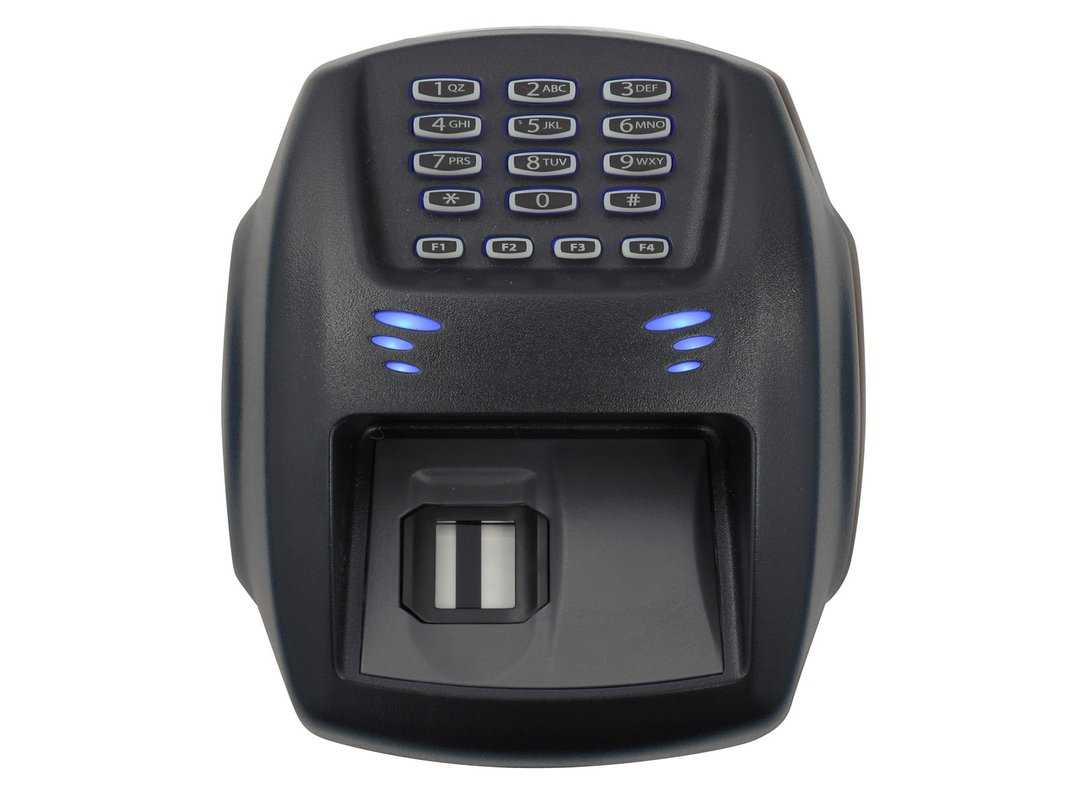
Organizations increasingly rely on biometrics for security, but many struggle with evaluating these technologies effectively. How can you confidently select a solution without a structured assessment? This article dives into the essentials of biometric technology analysis.
I’ve spent years evaluating modern technologies and their real-world impacts. In this piece, I’ll provide a practical system that helps you get through the complexities of biometric assessments. You’ll learn how to make informed decisions that boost security, improve user experience, and make sure compliance.
Imagine being equipped with the tools to select the right biometric solutions for your needs. This isn’t just about technology; it’s about securing your future.
By the end of this article, you’ll know how to approach biometric technology with confidence. Let’s get started on mastering this key aspect of modern security.
Biometric Tech Breakdown: Principles and Purpose
When I talk about biometric technology analysis, I’m not just chatting about product reviews. This is a deep dive into how well a biometric system fits a purpose. It’s about checking performance, security, and the ethics of using someone’s biological data.
Different types of biometrics (fingerprint,) facial, iris, voice, and behavioral (each) come with their own quirks. Why assess them? Because the way you test a fingerprint scanner isn’t the same as evaluating voice recognition.
Each has its own use case and potential pitfalls.
We need this assessment now more than ever. Why? Because it helps us dodge risks, stay compliant, and make sure we’re spending our money wisely.
Plus, it builds trust with users (and that’s no small thing). Consider access control systems. You can’t just slap a biometric lock on a door without knowing it’ll work right.
Or think about mobile authentication and border security. They all scream for proper analysis.
You might want to check out how tech innovations space exploration is pushing boundaries too. It’s all interconnected. So, what’s your take on the future of biometrics?
Biometric Assessments: Important Stages
Assessing biometric technology isn’t just about picking shiny gadgets. It’s a precise process. First, you need to define your requirements and scope.
Ask yourself, what are the security needs? Which regulations must we keep an eye on? Pin down your user population and environment.
You can’t just wing it.
Next, dive into technology research and vendor evaluation. Start by exploring hardware, software, and cloud options. Do you trust the vendor’s reputation?
What about their support and long-term viability? These aren’t just details; they’re the backbone of your choice. Oh, and don’t forget to ask for documentation and references (your future self will thank you).
Once you’ve got a candidate, it’s time for a proof of concept and pilot testing. Here’s where things get real. Design a controlled test to make sure core functionalities do what they promise.
Don’t ignore a pilot test. It lets you see the tech in action and gather user feedback. Spot integration challenges early on.
And for those of you asking about deeper dives, check out the biometric technology report: eo 14074, 13(e). It’s a must-read for real-world takeaways.
Biometric technology analysis can be complex. But break it down, and it’s just logical steps. Get these stages right, and you’re not just following a process.
You’re mastering the art of smart tech decisions.
Biometrics: Beyond Face Value
Biometrics are everywhere. I’m talking fingerprint scanners, facial recognition, even those retina tests that make you feel like you’re in a spy movie. But how do you know which biometric system really delivers?
Let’s break it down, starting with a bit of biometric technology analysis.
First up, accuracy. You’ve got your False Acceptance Rate (FAR), False Rejection Rate (FRR), and Equal Error Rate (EER). If a system’s FAR is too high, anyone’s grandma could open up it.
Keep a close eye on those numbers. It’s a must.
Then there’s security. Spoofing resistance is key. What’s the point in fancy biometrics if a photocopy can fool it?
Look for systems upping their game with solid liveness detection and strong encryption (both at rest and in transit).
Ever heard of usability? It’s not just tech babble. Think about enrollment ease and how fast it authenticates.
No one wants to deal with awkward pauses in front of a screen that just doesn’t get you. Plus, it needs to work in all sorts of places (outdoor,) indoor, you name it.
Finally, scalability is your friend. What happens when your user base explodes (fingers crossed)? A system that can grow is golden.
Check for API availability and how well it fits with your current tech setup.
Does your system ace these points? If not, maybe it’s time for a change. When the right biometric system clicks, it’s like unlocking a new level of tech.
Navigating the Complexities: Ethical, Bias, and Privacy Hurdles
When we dive into biometric technology analysis, it’s not just the tech specs that matter. The ethical considerations can’t be ignored. Facial recognition algorithms often stumble across different demographics, showing biases that are plain embarrassing.

How do we fix this? By identifying these biases, we can start to mitigate them.
Now, let’s talk ethics. Surveillance and consent are tricky waters. Are we comfortable with how our biometric data might be misused?
Shouldn’t we demand a human-centric approach when deploying new tech? I think we should.
Privacy is another beast. With regulations like GDPR and CCPA breathing down our necks, we need transparent data collection policies. Secure storage and clear consent mechanisms aren’t just nice-to-haves.
They’re non-negotiable. Have you considered conducting Privacy Impact Assessments for biometric systems? If not, start now.
Integration challenges also lurk in the shadows. Merging new biometric systems with legacy infrastructure isn’t a walk in the park. Thorough planning for data migration and interoperability is key.
Without it, you’re setting yourself up for a tech disaster.
In the end, addressing these non-technical aspects is as key as the technology itself. Are you ready to take them on?
Future-Proofing Biometrics: Trends You Can’t Ignore
Biometric technology is shifting rapidly, and honestly, keeping up feels like a full-time job. Multi-modal biometrics are a game-changer. Combining different modalities boosts security, but assessing these systems?
Not as straightforward as you’d think.
Let’s talk behavioral biometrics. Continuous authentication through habits like typing rhythm or gait opens new avenues. But also new hurdles.
And what about AI? It’s not all hype. AI is making biometrics smarter, but we need transparent systems.
You can’t just trust a black box.
Decentralized identity and blockchain might sound like buzzwords, but they matter. How we manage and protect biometric data is on the brink of change. So what’s your move?
Consider future-compatible solutions when diving into your biometric technology analysis.
By the way, understanding the “Art Of Data Visualization” can also boost how we interpret biometric data. Curious? Check it out here.
Move Forward with Confidence
A systematic biometric technology assessment is key. Without it, you risk security breaches, poor user experience, and non-compliance.
It’s clear that a structured approach ensures you cover all bases (technical,) ethical, and practical.
Are you ready to make informed decisions?
Take the leap. Apply these assessment principles to your projects.
Don’t let inadequate planning hold you back.
Act now and secure your future.
Reach out to experts who can guide you through biometric technology analysis.
Your path to innovation starts today. Don’t wait. The clock is ticking.
 Lirithyn Dusklance