
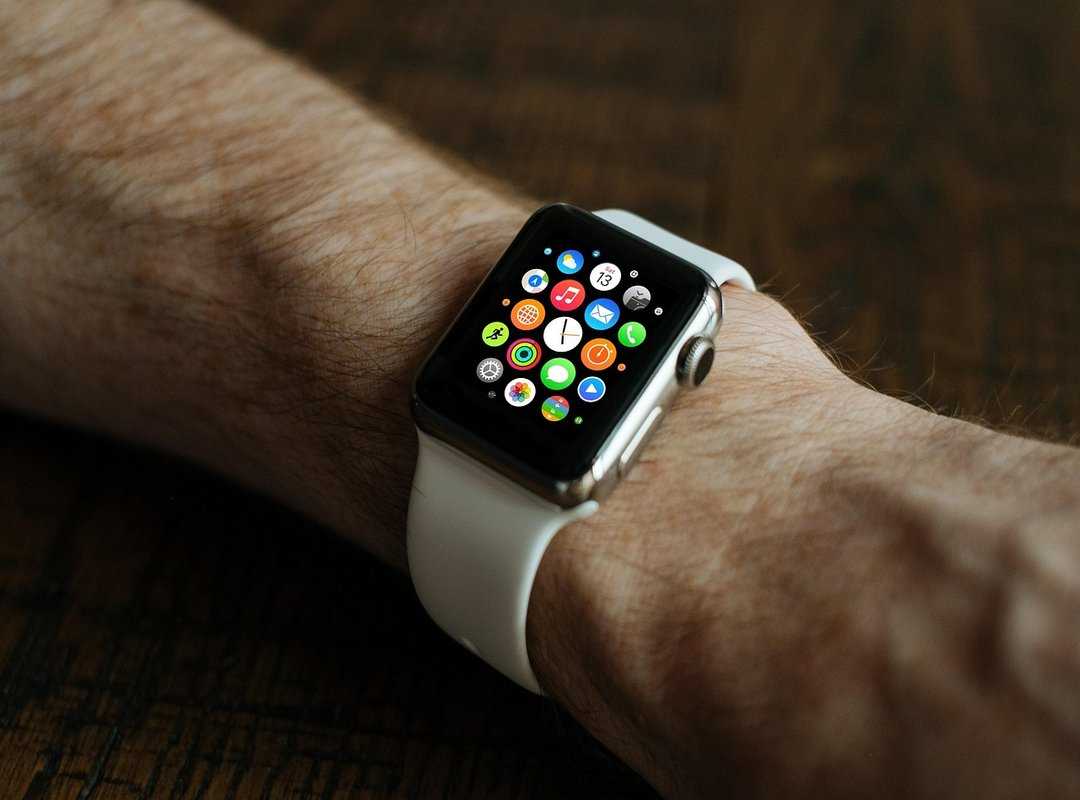
Wearable technology is everywhere, but so many users have no clue about what makes these devices smart. The software is the brain behind the brawn, yet it often goes unnoticed.
I see it daily. You strap on a smartwatch or fitness tracker, and it just works. But do you understand how it processes all that data?
Probably not.
That’s where this article comes in. I’ve spent years following the evolution of app developments and gadget innovations. I know what makes smartwatch applications tick.
I’m here to break down the complexity of wearable device software. You’ll gain takeaways into how it enhances user experience and drives functionality.
This guide will provide you with a clear understanding of the technology behind the wearables you use every day. Let’s demystify this world together and explore how software shapes the devices that are redefining our digital lives.
The Brain of Wearable Tech: Understanding Device Software
Wearable device software isn’t your run-of-the-mill app or desktop program. It’s working behind the scenes in unique ways. Ever wondered how your smartwatch knows when you’ve been sitting too long?
That’s the software’s doing. It’s designed with constraints like limited battery life and processing power in mind, always hustling in the background.
These devices are like tiny miracle workers on your wrist or face, constantly integrating with sensors that track your every move. Resource constraints? They’re a daily consideration. Your fitness tracker doesn’t rest when you do. It keeps monitoring, whether you’re napping or marathon training.
This “always-on” functionality isn’t just a buzzword, it’s a necessity.
But let’s be real, none of this magic happens without the software. It’s the brain that makes your smartwatch applications tick. From fitness tracking to real-time notifications, software transforms raw hardware into experiences you can’t live without.
Feeling your smart glasses might be smarter than you? That’s software making hardware smart.
Take smartwatches, fitness trackers, and even hearables. Software defines their utility, turning sensors and screens into personal health assistants. So, next time you glance at your wrist, remember it’s the software you should thank for those handy alerts and takeaways.
Wearable Software: The Nuts and Bolts
Let’s break this down. Modern wearable devices like smartwatches rely on a sophisticated software stack. At the core, operating systems like Wear OS or watchOS control everything.
They manage hardware resources while providing a stable environment for apps. They’re the unsung heroes of your wearable tech.
Then there’s firmware. It’s the low-level software that gets things started. Without it, your device wouldn’t even boot up properly.
It’s like the backstage crew in a theater production. Important but rarely noticed.
Now, onto the fun stuff: applications. From health tracking to productivity, these apps extend your device’s functionality. They’re why you bought the device in the first place.
Every smartwatch application you use relies on this layered architecture.
Connectivity is key. Wearable software handles Bluetooth and Wi-Fi like a pro. This is where cloud integration shines, syncing your data for analysis and storage.
It’s the backbone of a smooth experience.
All these components work together to create a cohesive user experience. They’re interconnected, each playing a big role. It’s a lot like how drones beyond aerial photography are redefining their roles.
So, next time you check your notifications, remember the complexity underneath.
Wearable Software: Tackling the Tiny Titans
Developing software for wearable devices is like trying to fit a symphony into a shoebox. It’s tight, complex, and demands creativity. The challenges?
They’re not for the faint-hearted. Resource optimization is a beast. You’re dealing with limited battery, processing power, and memory.
So, how do you make it work? Smartwatch applications need optimized algorithms, low-power states, and fast data handling. It’s not just about squeezing more out of less; it’s about doing it elegantly.
Now, let’s talk UI/UX design. Crafting intuitive interfaces for small screens is like painting the Mona Lisa on a postage stamp. Gesture controls and voice commands become your best friends.
Then there’s the haptic feedback, which is more than a buzz (it’s) a language.
Sensor integration is another hurdle. Accelerometers, heart rate monitors, GPS. Turning raw data into actionable takeaways is an art form.
It’s about getting real-time accuracy without drowning in data.
And don’t get me started on connectivity. Ensuring smooth connections with smartphones requires a magician’s touch. Cross-platform compatibility and stable data transfers are the holy grails here.
So, what’s the secret sauce? Creativity, perseverance, and a dash of tech wizardry. Are you ready to dive in?
Securing the Future: Data Privacy and Cybersecurity in Wearables
Data privacy in wearables is not just important (it’s) non-negotiable. Wearable devices collect some of the most sensitive personal and health data. Imagine your smartwatch logging every heartbeat and calorie count.

If that data falls into the wrong hands, you’re looking at a privacy nightmare.
Encryption is a must. End-to-end encryption secures your data both when it’s stored and when it’s being sent. Without it, you’re leaving the door wide open for unauthorized access.
And let’s be real, no one wants their health stats hacked.
These regulations are reshaping how developers handle data in smartwatch applications. They demand transparency and user rights.
Consent matters too. Users need control over their data. It’s not just ethical; it’s required by laws like GDPR and HIPAA.
But wait, there’s more. Wearables face threats other devices don’t. Device hijacking and data integrity attacks are real problems.
Advanced measures like secure boot processes and anomaly detection are key. You can’t ignore multi-factor authentication either.
Curious about which apps prioritize security and privacy? Check out these 4 important android smartwatch apps you might want to consider. They’re not just functional; they’re designed with security in mind.
Beyond the Horizon: Emerging Trends and Innovations
Wearable technology is changing faster than ever. It’s not just about tracking steps anymore. Artificial Intelligence (AI) and Machine Learning (ML) are now at the heart of this revolution, turning predictive analytics into reality. Imagine having a device that learns your habits and offers health coaching tailored just for you.
This isn’t sci-fi; it’s here.
Advanced health monitoring is another game-changer. Continuous glucose monitoring and proactive stress detection are just the beginning. The ability to predict diseases early is transforming how we manage health.
You can’t deny it: these innovations are life-altering.
Then there’s the convergence of Augmented Reality (AR) and Virtual Reality (VR). These aren’t just buzzwords. They’re reshaping how we experience the world (and making sci-fi dreams come true).
Wearable software now bridges the gap between physical and digital worlds, creating immersive experiences. Check out more about AR VR Gadgets Everyday Life.
And don’t overlook hyper-personalization. Smartwatch applications can now adapt to your unique habits, offering intuitive user experiences. This adaptability makes tech feel more human.
The impact on daily productivity and health? Deep. Keep an eye on these trends; they’re not just the future, they’re the now.
Embrace the Future of Tech
I know the complexity of smart devices can be frustrating. The good news? Understanding wearable software fundamentals helps us appreciate smartwatch applications and their impact.
You’ve explored the details. Now, why stop here? Dive deeper into the world of new app developments and emerging tech trends.
Stay informed. The space is evolving fast, and you want to be ahead of the curve.
Join me in discovering the endless possibilities of technology.
Let’s explore together. Reach out and stay connected. Your next breakthrough awaits.
Don’t wait; get involved now!
 Radek Sowaak